Your Window. Your Revenue.
Businesses pay for prime street frontage and put nothing on it — or they attempt static signage that's expensive to update and impossible to personalise. Getting customer attention has never been harder. Foot traffic is declining. Advertising costs are rising. And the businesses with the most to gain from visibility are the ones least equipped to create it.
PRIZM turns existing glass into a digital display that runs itself. Transparent LED film applies directly to the window. AI generates and schedules all content automatically — pulling from the business's own promotions, social feeds and menus. For businesses that want more, their screen becomes a revenue-generating media asset, earning a share of ad revenue while they sleep.
PRIZM turns retail windows into digital displays that run themselves.
We sell transparent LED film to SME businesses — cafes, gyms, clinics, car yards — and AI manages everything: content creation, scheduling, updates. No agency. No designer. No effort.
Businesses choose their model: 100% their own content for a monthly fee, or they allocate some screen time to our ad network and earn passive income from it. The more foot traffic their location gets, the more their screen earns.
Hardware is deposit-funded. Installs are drop-serviced. The business runs on AI — one person oversees 500+ screens at 97% margin.
At 500 screens nationally, we're a $1.5M ARR business worth $20–35M on exit. And every screen we add costs almost nothing to service.
Three products. One system. Anyone can understand it in thirty seconds.
Transparent LED film that applies directly to existing glass. Two grades: DIY ($1,500–3,500) for flat windows and Commercial ($5,000–15,000) for high-brightness frontages. One-time purchase. Customer deposits fund the hardware before ordering — zero working capital.
AI-managed PRIZM Content subscription. $199–399/month. AI generates all creative from the business's Instagram, Google Business Profile, menus and promotions. Updates automatically. The customer never needs to touch it. 97% net margin — near-zero marginal cost per screen.
Ad revenue share for screen owners who opt in. A slider controls how much screen time goes to the PRIZM ad network. Programmatic ads from national brands fill that time. Screen owner earns passive income. PRIZM keeps 70%. The more foot traffic, the more the screen earns. No advertiser relationships required — plugged into Hivestack and Vistar from day one.
Buy the Screen. Subscribe to Content. Opt into Earn. Every customer starts with Screen + Content. Earn is the upgrade that turns their window into a passive income asset.
| PRIZM Screen | PRIZM Content | PRIZM Earn | |
|---|---|---|---|
| What it is | Transparent LED film on glass | AI-managed PRIZM Content subscription | Programmatic ad revenue share |
| How billed | One-time (60–70% deposit first) | $199–399/month recurring | Revenue share — no cost to screen owner |
| PRIZM margin | 2–3× supplier cost | ~97% net | 70% of ad revenue |
| Customer gets | A working display on their window | Content that runs itself | Passive income from their location |
| Who it's for | Everyone | Everyone | High foot-traffic locations only |
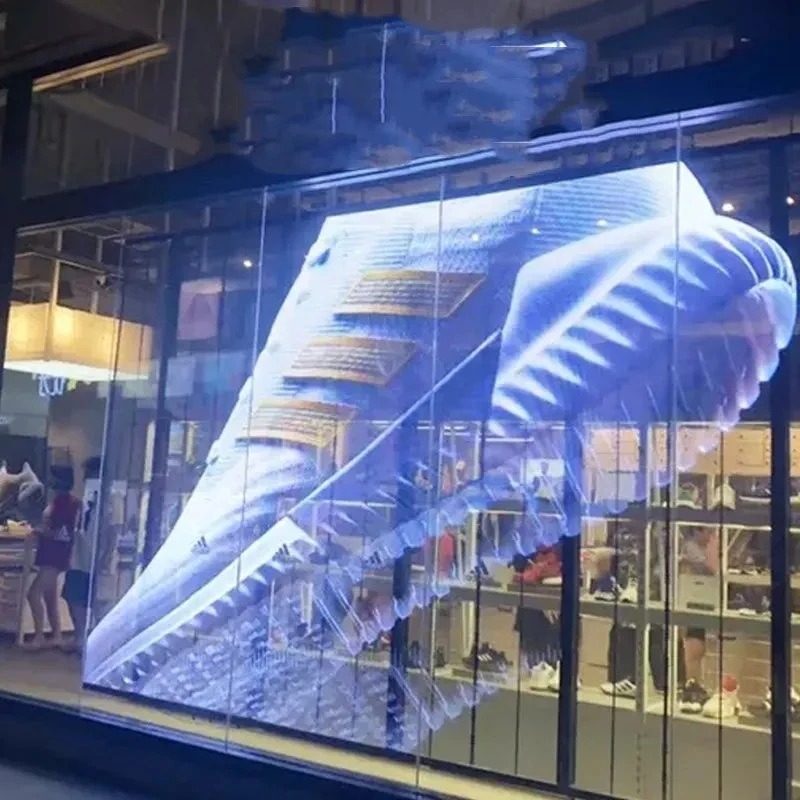
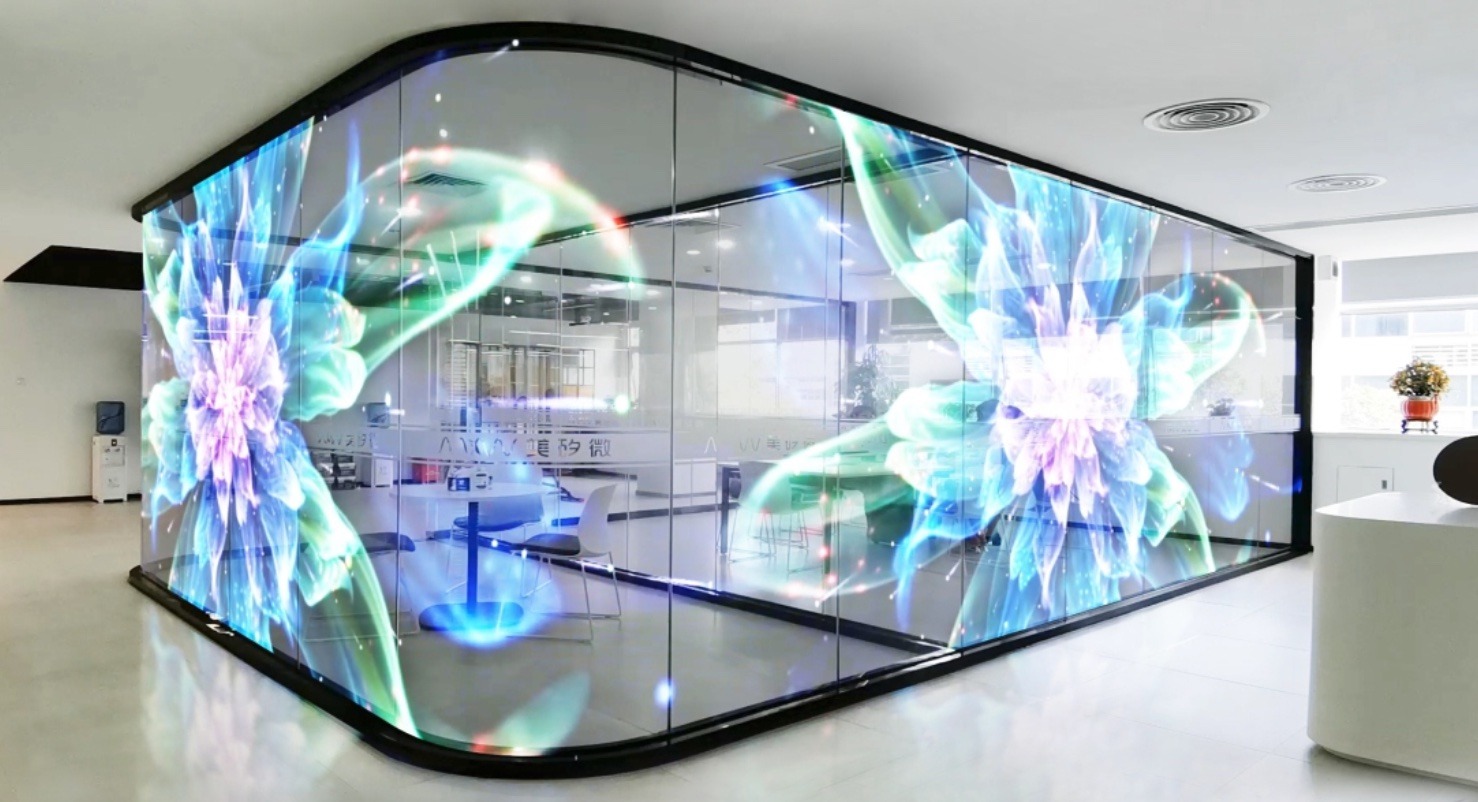
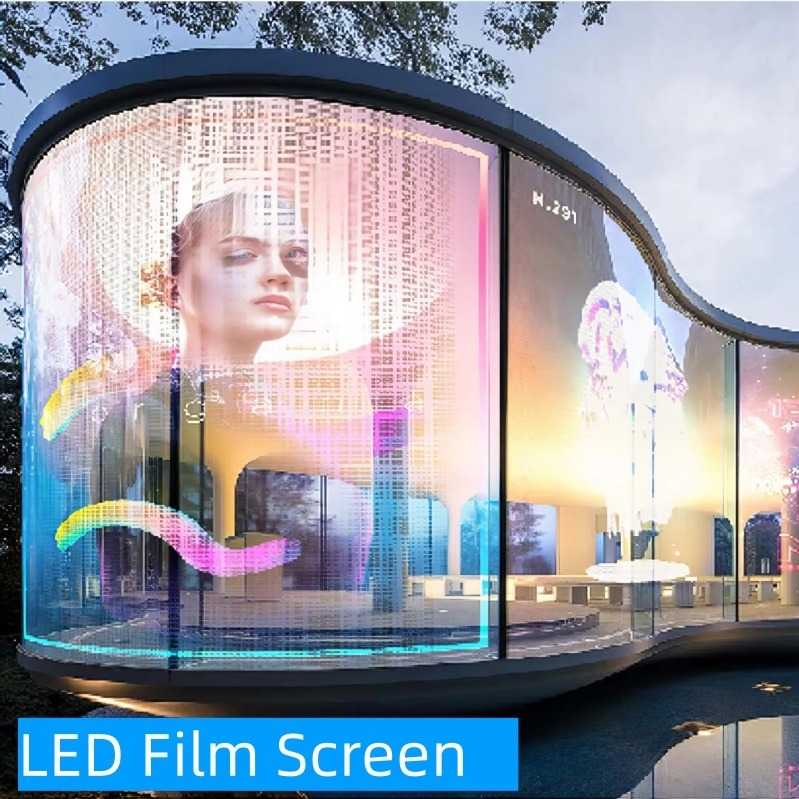
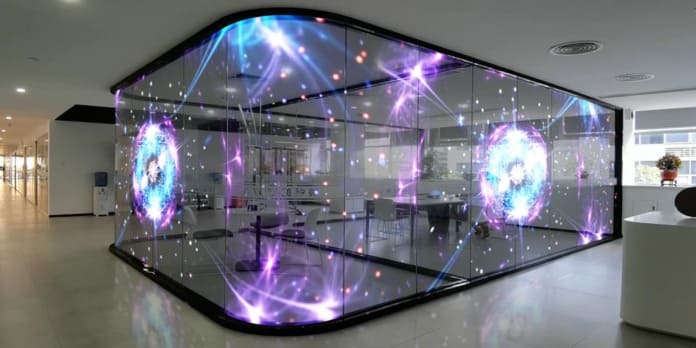
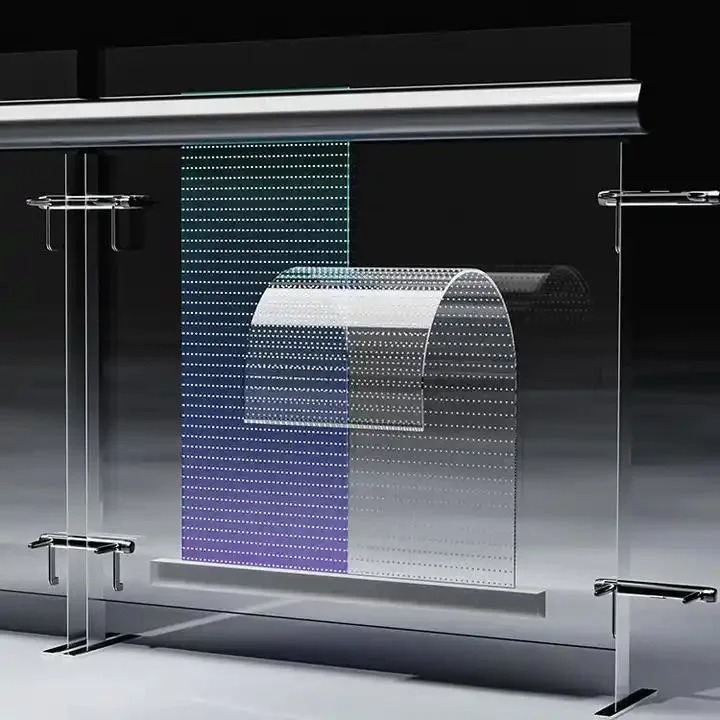
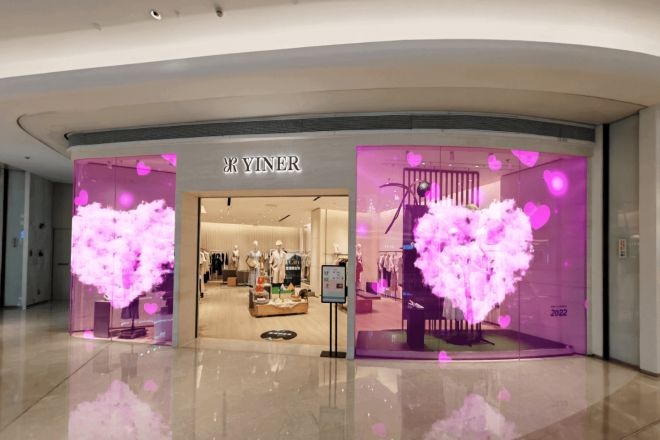
Transparent LED film applied directly to glass — displaying vivid content from the outside while remaining see-through from the inside. The technology exists now. The market doesn't have a managed network for it yet.
Images sourced from supplier marketing materials and public installations. Australian SME implementation targets café, retail, gym, real estate, and automotive frontages at a fraction of these scale.
PRIZM is built to be acquired. Every architectural decision — capital-light, AI-native, recurring revenue, programmatic ad network — is designed to produce the most acquirable asset possible in the shortest viable timeframe. This section defines what success looks like, when the exit window opens, and who buys.
| Period | Screens | MRR | ARR | Net Margin | Human hrs/wk | Key milestone |
|---|---|---|---|---|---|---|
| Month 1–2 | 5 | ~$2K | ~$24K | 90%+ | 15–20 | AI stack live. First closes. Objections learned. |
| Month 3–6 | 30 | ~$12K | ~$145K | 95% | 5 | Brisbane proof. DIY self-serve running. |
| Month 7–12 | 80 | ~$33K | ~$400K | 96% | 3 | Sydney seeded. Tier 2 live (gyms, automotive). |
| Month 13–18 | 200 | ~$83K | ~$1M | 97% | 2–3 | 3 cities active. Programmatic ad network generating. |
| Month 19–24 | 350 | ~$145K | ~$1.75M | 97% | 2–3 | Franchise pilot live. Retail chain negotiation. |
| Month 25–36 | 500+ | ~$208K+ | ~$2.5M+ | 97% | 1–3 | Exit window open. 12+ months clean ARR data. |
MRR/ARR based on blended portfolio: 50% DIY Tier 1 (~$170/screen/mo net) and 50% Commercial Tier 2 (~$560/screen/mo net). Actual mix will vary. These are working estimates, not guarantees.
The exit window opens in Year 3 (months 25–36) and the optimal exit is Year 3.5–4 — once you have 12+ months of clean, stable ARR at $1.5M+, proven programmatic revenue, and visible network density in 3+ cities.
| Acquirer type | Why they want it | What they'll pay for | Likely timing |
|---|---|---|---|
| oOh!media / JCDecaux | Add SME/retail inventory they can't build organically. PRIZM gives them 500 screens they'd take years to acquire individually. | Screen count, programmatic integration, recurring revenue | Year 3–4 · once national |
| PE roll-up | Roll-up multiple DOOH operators nationally. PRIZM is the AI-native platform that becomes the operating spine. | Margin profile, AI stack IP, scalability proof | Year 3 · once ARR stable |
| Scentre Group / Westfield | Own the screens inside and outside their centres. PRIZM gives them managed content + ad network they don't have to build. | Retail concentration, content quality, programmatic capability | Year 3–4 · post franchise proof |
| Global DOOH group | Australian market entry via acquisition. PRIZM is a ready-built beachhead with network density. | National reach, recurring revenue, installer network | Year 4 · once 3+ cities proven |
| Strategic tech acquirer | DOOH data layer. Every screen is a foot-traffic measurement point. The data is the product at scale. | AI stack, data infrastructure, screen density | Opportunistic |
| Revenue layer | Multiple | At $1.5M ARR (500 screens) | At $2.5M ARR (upside) |
|---|---|---|---|
| Hardware + install (one-time) | 0.5–1× revenue | ~$200–400K | ~$300–600K |
| Content subscriptions (SaaS) | 15–25× ARR | ~$9–15M | ~$15–25M |
| Ad network revenue | 10–20× ARR | ~$5–10M | ~$8–15M |
| Total blended | $20–35M | $30–55M |
The upside scenario ($2.5M+ ARR, 700+ screens, franchise agreements signed) puts PRIZM in the $30–55M range. This is not the base case — it requires a franchise partner accelerating screen count in Year 2. Plan for the base case. Build toward the upside.
AI-native exit valuations are an emerging category. These multiples are anchored to the best available comps — not guarantees. The physical hardware layer discounts the multiple from pure-software comps (Cursor at 25×, Jasper at 33×). Expect negotiation. Build the ARR, and the valuation follows.
Self-adhesive film, flat glass only. App control. Fully self-serve — customer purchases online, kit ships direct from supplier, app onboards them. Zero human involvement after sale.
High-brightness, outdoor-visible. AI voice agent handles discovery and pitch. Human reviews and signs contract only — 15 minutes per deal. Drop-serviced install by local AV contractor.
100% screen time for their business. AI generates promotions, specials, seasonal content — pulling from Instagram, Google Business Profile, menus. No ads from other businesses.
Slider controls how much screen time goes to network ads. Screen owner earns revenue share on every impression. Programmatic from day one — no human advertiser relationships required.
| PRIZM Content | Tier 2 — + Ad Revenue Share | |
|---|---|---|
| DIY Pack | ✓ Entry product Fully self-serve. Zero human touch. | ✓ Lite network Lower CPM, lower revenue share |
| Commercial Grade | ✓ Premium content 15 min contract review only | ✓ Premium inventory Highest CPM, highest revenue share |
2–3× markup on supplier cost. 60–70% deposit collected before order placed. Net working capital for hardware: $0.
$199–399/month per screen. AI-generated — near-zero marginal cost. Pure SaaS margin at scale.
$5–25 AUD CPM. 70% to PRIZM / 30% to screen owner. Plugged into Hivestack/Vistar — no human advertiser relationships needed.
30–50% markup on drop-serviced contractor cost. Variable only. AI coordinates the entire install workflow.
At 100 screens (50 DIY Tier 1, 50 Commercial Tier 2): ~$37,000 MRR. AI stack total cost: ~$1,500/month. Net margin: ~96%. No headcount required beyond founder oversight.
Every agentic AI business has a token cost layer. PRIZM is no different. The good news: AI costs as a percentage of revenue decline as you scale — most costs are flat or near-flat while revenue grows with every screen added. But they must be modelled honestly.
| AI Function | Tool | Cost Model | Est. at 100 screens | Est. at 500 screens |
|---|---|---|---|---|
| CMS platform (content delivery) | OptiSigns / Yodeck | $7–15/screen/mo | $700–1,500/mo | $2,500–5,000/mo (vol. discount) |
| Content generation | GPT-4 API + video gen | $0.50–2/screen/mo | $50–200/mo | $250–1,000/mo |
| Commercial sales calls | Bland.ai / Vapi | ~$0.10/min | ~$120/mo (100 calls) | ~$300/mo (outreach scales) |
| Outreach automation | Instantly.ai | $97–197/mo flat | $150/mo | $150/mo (flat) |
| Install coordination AI | Make.com / n8n | Per workflow run | $20–50/mo | $50–100/mo |
| Customer support AI | GPT-4 API | ~$0.02/interaction | $20–50/mo | $80–150/mo |
| Reporting & dashboards | Automated | Negligible | <$10/mo | <$20/mo |
| Total AI stack | $1,060–2,030/mo | $3,330–6,720/mo | ||
| As % of MRR | 3–5% of $37K MRR | 1.8–3.6% of $185K MRR |
The CMS platform is the largest per-screen cost, not LLM tokens. Negotiate volume pricing above 100 screens — most platforms offer 30–50% discount at scale.
of MRR goes to AI stack. Net margin: ~95–97%.
AI costs decline as % of revenue. Margin expands as you scale.
Fixed and near-fixed AI costs spread across more screens. Every screen added costs ~$10–15/mo to service via AI.
Rule: build your AI stack cost model before you build your pricing. Know your per-screen cost before you set your subscription price. The CMS cost alone ($7–15/screen) must be covered by the subscription margin before you make a cent.
Segment sequencing differs across the two tiers. Tier 1 is sold on brand control and visual impact. Tier 2 is sold on passive income — but the sequence depends on which screens attract the highest-value advertisers. You seed the network with the best inventory first.
Target buyers who say yes in 48 hours and have an obvious content need. Build visual proof fast.
| Phase | Segment | Why first |
|---|---|---|
| Phase 1 | Cafes & restaurants | Menu/specials content is obvious. Owner decides in days. |
| Phase 1 | Real estate offices | Direct upgrade to existing window display behaviour. Already paying for this. |
| Phase 1 | Beauty & wellness clinics | Promotions, bookings, before/after. Visually motivated buyers. |
| Phase 2 | Multi-location independents | One close, multiple installs. 3–15 locations = revenue leverage. |
| Phase 2 | Premium boutiques & luxury | Brand control is paramount. Always Tier 1, never Tier 2. |
| Phase 3+ | Event spaces & hospitality venues | Dynamic content needs. High visual ROI. More complex sell. |
High foot traffic isn't enough. The audience demographic must match what advertisers will specifically pay to reach. Seed the network with premium inventory first — it sets the floor CPM for the entire platform.
| Segment | Why advertisers pay | Est. CPM | Priority |
|---|---|---|---|
| Automotive dealerships | Finance, insurance, car brands. High-intent captive audience. | $20–25 | Phase 2 — first |
| Gyms & fitness studios | Health, nutrition, sportswear, supplements advertisers. | $15–25 | Phase 2 — first |
| Real estate offices | Mortgage brokers, conveyancers, removalists. | $10–20 | Phase 2 |
| High-traffic cafes (busy strips) | Food delivery, FMCG, local dining, coffee brands. | $8–15 | Phase 2–3 |
| Franchise networks | Consistent audience at scale. Premium to programmatic buyers. | $10–20 | Phase 3 |
| Shopping centre common areas | Mass audience, national brands, FMCG, fashion. | $15–25 | Phase 3–4 |
CPM = cost per thousand impressions. Rates are estimates based on comparable Australian DOOH inventory. Actual rates depend on location foot traffic data.
Do not push these to revenue share. Sell Tier 1, maximise PRIZM Content subscription value, respect the brand requirement.
Brand exclusivity is the product. Competitor ads would destroy the positioning.
Ambiance and experience are the offer. Ad interruptions break the environment.
Law firms, financial advisers — regulatory constraints on advertising may apply.
Hardware is fully deposit-funded. 60–70% collected before the order is placed. Customer funds the supply chain. Net working capital required for inventory: $0.
| Item | Cost (AUD) | Notes |
|---|---|---|
| Company setup (Pty Ltd + ABN) | $559 + $80 | ASIC registration + ABN via ABR |
| Legal contracts (basic) | $1,500–2,500 | Supply agreement, T&Cs, install contract, ad revenue share agreement |
| Website + landing page | $0–500 | AI-built on Webflow or Framer |
| CMS platform (first month) | $30–100 | OptiSigns or Yodeck — test with 1 screen |
| AI voice agent setup | $50–200 | Bland.ai or Vapi — first month + setup |
| Outreach platform (first month) | $97–200 | Instantly.ai or Smartlead |
| Sample panels (1–2 m²) | $500–1,500 | Direct from supplier — demo and proof of quality |
| Mockup tooling | $50–100 | Midjourney + Canva Pro |
| Public liability insurance | $600–1,200/yr | Required before first commercial install |
| Total to launch | ~$3,500–6,000 | Hardware funded by customer deposits from day one |
Every GTM phase is informed by the segment strategy above. Tier 1 proof first. Tier 2 seeded with highest-CPM inventory. Franchises only after 50+ installs. Shopping centres only after street-level proof.
Premium interior applications (event spaces, hospitality) are Tier 1 only — brand environments that never go into the ad network. High subscription value, zero churn.
Commercial installs are contracted to local AV and signage tradespeople. PRIZM never employs an installer. AI generates the brief, books the contractor, manages the checklist, and triggers the payment release.
30–50% markup on contractor cost. Triggered only by a confirmed, deposit-paid sale.
AI pre-loads a contractor pool in each city before the first sale arrives. No physical presence required.
Brief, booking, spec delivery, photo checklist, payment trigger — all automated.
| Category | At Launch | At 100 Screens | At 500 Screens |
|---|---|---|---|
| CMS platform | $30–50/mo | $700–1,100/mo | $2,000–3,500/mo |
| AI sales tools | $200–400/mo | $350–550/mo | $400–600/mo |
| AI content tools | $50–100/mo | $100–250/mo | $350–800/mo |
| Operations + admin | $50–100/mo | $80–150/mo | $100–200/mo |
| Total | $330–650/mo | $1,230–2,050/mo | $2,850–5,100/mo |
Order samples before you sell anything. You need to see, touch and test the product. Every quality promise you make to a customer depends on this step.
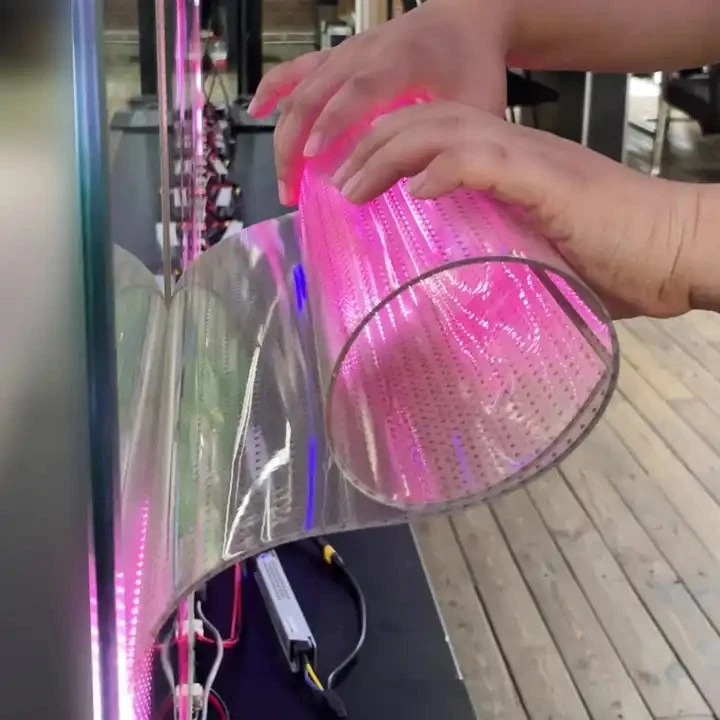
What good film looks like: clean peel backing, flexible substrate, uniform LED density. Request these kinds of product photos from any supplier before ordering.
Primary sourcing platform. Use Alibaba AI Mode or Accio to describe the spec and get matched to verified manufacturers. Filter by Trade Assurance and Gold Supplier status.
"transparent LED film", "transparent LED display", "see-through LED screen", "glass LED film", "holographic LED film". Location: Shenzhen and Guangdong province.
| Spec | DIY Pack | Commercial Grade |
|---|---|---|
| Pixel pitch | P8–P10 (standard clarity) | P4–P6 (high clarity) |
| Brightness | 1,000–2,000 nits | 3,000–5,000 nits (outdoor-visible) |
| Transparency | 60–75% | 75–85% |
| IP rating | IP54 minimum | IP65 minimum |
| Controller | App-compatible, simple setup | CMS-compatible (HDMI/LAN) |
| Warranty | 2 years minimum | 3 years minimum |
| Sample available | Yes — 0.5m² minimum | Yes — 1m² minimum |
Payment terms: negotiate 30% deposit, 70% on delivery for all orders above $2,000 AUD. Use Alibaba Trade Assurance for the first 3–5 orders. Never wire transfer to a new supplier without Trade Assurance protection.
You need at least one approved installer in Brisbane before you offer commercial grade. AI finds them. You vet and approve the first one. After that, the AI manages job assignment, briefing, and payment.
Search "AV installation", "commercial signage", "LED installation". Message directly, not just post a task.
Post a job spec. "Commercial LED film installation — ongoing work available for the right contractor."
Search Google for local AV companies and commercial signage installers. Call directly. Ongoing work is attractive to small operators.
Every commercial install is managed via an AI-generated brief sent to the approved installer. The brief contains:
| Installer quote | Your price to customer | Your margin |
|---|---|---|
| $300 (small DIY assist) | $450 | $150 (50%) |
| $600 (standard commercial) | $850 | $250 (42%) |
| $1,200 (large commercial) | $1,700 | $500 (42%) |
End of month 1 target: 3–5 paying customers, at least 1 commercial install completed, case study content captured, outreach machine running autonomously.
The onboarding process is what converts hardware into a recurring subscription relationship. Make it effortless.
| Item | How you get it | What AI does with it |
|---|---|---|
| Brand colours + logo | Email or intake form | All content generated in brand palette |
| Instagram handle | Intake form | AI pulls posts, product shots, UGC automatically |
| Google Business Profile | Link or intake form | AI pulls reviews, hours, seasonal updates |
| Menu / price list | PDF or URL (cafes/restaurants) | AI formats into content slides, updates when menu changes |
| Current promotions | Monthly check-in (automated) | AI builds promotional content, schedules for timing |
| Content style preference | 3-option selector on intake form | Sets AI tone: bold/promotional, warm/lifestyle, or clean/minimal |
Hi [name], I made something for you — [link to mockup image]. It shows what [business name]'s window could look like as a live digital display. Took me 2 minutes to put together. Worth a look? Happy to drop by and show you the real thing — no obligation, just want to show you what's possible.
The mockup of their actual window is the only thing that matters in this message. Everything else is secondary. The link must work on mobile. The image must load in under 2 seconds.
Intro: "Hi, is this [name]? Great — I'm calling from PRIZM. We reached out about your window display. Did you get a chance to see the mockup we sent?"
If yes: "What did you think? We can make that a reality — the display updates from your phone, and AI handles all the content automatically."
If no: "No worries — we created a visual showing what [business name]'s window could look like as a live LED display. I can send it again right now if you have 30 seconds."
Pain: "Are you currently doing anything with your window to capture foot traffic, or is it mostly static?"
Pitch: "We install transparent LED displays that show your specials, promotions, or menus in the window. It looks incredible from the street. AI manages all the content — you don't need to do anything after setup."
CTA: "Could I send someone around this week with a sample to show you in person? It takes 10 minutes and you can see the quality for yourself. What day works?"
Objection — price: "Totally fair question. We have two options. The DIY version starts at $1,500 and you install it yourself. The commercial version is $5,000–$8,000 and includes professional installation. Both include AI-managed content at $199–$399 a month. Would it help if I sent you a full spec sheet?"
| Day | Channel | Message |
|---|---|---|
| Day 0 | Email + DM | Mockup + intro message (above) |
| Day 3 | "Just checking you saw the mockup — happy to answer any questions." | |
| Day 7 | AI voice call | Discovery call (script above) |
| Day 14 | Case study from a similar business + social proof | |
| Day 21 | Final follow-up — "We have a sample install in your area next week. Worth a 10-minute look?" |
Register via ASIC online ($559). Single director is fine to start. Limits personal liability. Required for business bank account.
Register ABN free via ABR. Register for GST immediately (you'll cross the $75K threshold quickly). Issue tax invoices from day one.
| Contract | Key clauses | Cost to draft |
|---|---|---|
| Hardware supply agreement | Deposit terms (60–70%), delivery timeline, glass compatibility disclaimer, force majeure, limitation of liability | $400–600 |
| Content subscription T&Cs | Monthly billing, auto-renew, cancellation (30 days), content ownership (customer owns their brand assets, you own the generated content), acceptable use | $300–500 |
| Ad revenue share agreement | Allocation % (slider terms), payment timing (monthly), minimum screen count, audit rights, termination clause | $400–600 |
| Installer subcontractor agreement | Scope of work, insurance requirements (minimum $5M PL), liability for install defects, photo checklist obligations, payment terms | $300–400 |
| Total legal spend | $1,400–2,100 |
No dominant player in Australia combines transparent LED film + AI-managed content + programmatic ad network for SME retail. The gap is real.
| Player type | What they do | Why they're not the threat |
|---|---|---|
| Traditional DOOH networks (oOh!media, JCDecaux, QMS) | Large outdoor digital billboards and transit advertising | Not in-store/storefront. SME is not their market. No managed content for small business. |
| Commercial AV installers | Install digital signage for enterprise clients | Project-based, not recurring. No AI content management. No ad network. High cost, slow process. |
| Generic digital signage SaaS (OptiSigns, Yodeck) | CMS software for businesses with existing screens | They need you to already own the hardware. They don't sell, install, or create content. They're your tool, not your competitor. |
| Storefront Media Co (Canada) | Closest international comp — transparent LED for retail | Manual, not AI-native. No managed content at scale. No programmatic ad network. Not operating in Australia. |
| New entrants | Anyone who reads the same playbook | Network effects and installer relationships take time to build. First mover builds density before others arrive. |
More screens in a city = better advertiser rates = better revenue share = more screen owners want Tier 2. Self-reinforcing.
The combination of AI voice sales + AI content + AI install coordination is hard to replicate quickly. You're building the system, not just the product.
Your approved installer network in each city is a real barrier. It takes time to vet and trust. You build it first.
The biggest competitive risk is not an established player. It is another founder who reads the same playbook and starts six months after you do. Speed of network density is the only defence. Move fast in Brisbane, then move to Sydney before anyone else.
| Risk | Likelihood | Impact | Mitigation |
|---|---|---|---|
| Glass incompatibility (DIY) | Medium | High | Mandatory glass spec checklist before sale confirmed. Flat, single-pane only. Refund policy for incompatible glass (rare if checklist done). |
| Supplier quality failure | Medium | High | 2 approved suppliers minimum. Sample every new batch before customer delivery. Trade Assurance protects first orders. |
| Installer quality failure | Low-Med | Medium | Approved installer list with ratings. Photo checklist before payment releases. 30-day warranty held against installer. |
| Low ad fill rate early | Low | Low | Tier 1 subscriptions sustain the business until programmatic ad revenue becomes meaningful. No dependency on ads in Year 1. |
| Screen owner churn (Tier 2) | Medium | Medium | They own the screen. Downgrade to Tier 1, not cancellation. Subscription continues. Hardware sunk cost keeps them in the ecosystem. |
| AI stack cost blowout | Low | Medium | Model costs per screen before pricing. Monitor monthly. CMS volume pricing negotiated above 50 screens. AI costs decline as % of revenue at scale. |
| Competitor moves fast | Medium | Medium | Speed of network density is the defence. Move to Sydney before any competitor reaches 20 Brisbane screens. |
| Founder attention split | High | High | Assign clear ownership of the first 90 days. One person commits 15–20 hours/week to stand up the system. After that, AI runs it. |
A traditional signage business manages 20–50 screens per account manager. PRIZM runs 500–1,000+ screens per human overseer. This is the structural advantage.
| Function | How it runs | Human? |
|---|---|---|
| Prospect identification | AI scrapes Google Maps, classifies by glass frontage size | No |
| Mockup generation | Midjourney overlays LED content on their actual window photo | No |
| Outreach + follow-up | Personalised sequences via Instantly.ai | No |
| DIY sales | Self-serve: landing page → Stripe → ships → app onboards | No |
| Commercial discovery calls | AI voice agent (Bland.ai / Vapi) | No |
| Contract review + sign-off | Human reviews, PandaDoc closes | 15 min/deal |
| Installer recruitment | AI scrapes + outreaches contractors per city | No |
| Installer onboarding | Self-serve portal: form → auto-vet → approved | First per city |
| Install coordination | Make.com workflow: brief, booking, checklist, payment | No |
| Content creation | GPT-4 + Runway — generates from social, menu, brand assets | No |
| Content onboarding | Intake form → AI generates 30-day calendar → passive approval | No |
| Ad inventory management | Programmatic via Hivestack / Vistar | No |
| Customer support | AI chatbot — escalates genuine disputes only | ~1–2/mo |
| Reporting to screen owners | Auto-generated monthly dashboards | No |
| City expansion decision | AI flags threshold → human approves | 5 min/city |
This is not a business that needs an operator. It needs an architect. Four decisions stay human: contract sign-off, installer approval per city, new city go/no-go, and strategic direction.
System setup. Build the AI stack. Close first 3–5 commercial sales personally to learn the objections. The only period that demands founder intensity.
AI voice agent handles commercial discovery. DIY is fully self-serve. Human reviews and e-signs contracts (15 min each). Approves first installer per new city.
Strategic decisions only. AI flags when a new city is ready. Human makes the go/no-go call. Everything else runs autonomously.
The agentic model doesn't just reduce labour — it re-rates the valuation of the entire business. Valuing an AI-native business requires a different framework. This is an emerging category with limited exit precedent. What follows is our best estimate, grounded in the closest available comps.
| Traditional Signage | PRIZM — Agentic | |
|---|---|---|
| MRR | $37,000 | $37,000 |
| Labour overhead | ~$5,000/mo (1 FTE) | ~$500/mo (founder oversight only) |
| AI + tech stack | ~$500/mo | ~$1,500/mo (full AI stack) |
| Net monthly | $31,500 | $35,000 |
| Net margin | 85% | 95–97% |
AI-native business sales are nascent. Most of these companies are too young to have exited. The comps below are the best available data — used to anchor the estimate, not define it precisely. The market is still learning how to value businesses where AI has structurally removed the human from operations.
| Company | Category | Valuation | ARR (est.) | Multiple |
|---|---|---|---|---|
| Cursor / Anysphere | AI coding assistant | $2.5B | ~$100M | ~25× |
| Jasper AI | AI content generation | $1.5B (peak) | ~$45M | ~33× |
| Synthesia | AI video generation | ~$500M | Modest | 20–30× |
| ElevenLabs | AI voice synthesis | $1.1B+ | Small | 40×+ |
| Standard SaaS (benchmark) | Recurring software | — | — | 5–10× |
| Traditional signage | Labour-dependent media | — | — | 3–5× EBITDA |
These are predominantly pure-software businesses. PRIZM has a physical component (hardware, installs) which discounts the multiple relative to pure AI-native software. The comps establish the ceiling; the physical layer sets the discount.
PRIZM is a hybrid. The correct approach at exit is to value each revenue layer separately.
| Revenue Layer | Type | Multiple | At $1.5M ARR (500 screens) |
|---|---|---|---|
| Hardware + install margin | One-time, physical | 0.5–1× revenue | ~$200–400K |
| Content subscriptions | Recurring SaaS, 97% margin | 15–25× ARR | ~$9–15M |
| Ad network revenue | Programmatic media, recurring | 10–20× ARR | ~$5–10M |
| Total blended valuation | $20–35M |
This estimate will be revised upward as the AI-native exit category matures. Our best current estimate: $20–35M at $1.5M ARR. That number is likely conservative. The businesses closest to PRIZM's profile are commanding 25–40× in pure software — PRIZM's physical layer is the only reason we're discounting from that ceiling.
PRIZM is the AI-native case study. Document the operating stack. Publish as a Maestro Maker System Blueprint. The business proves the thesis in the real world.
Build operating proof. Then acquire small DOOH operators and roll them into the PRIZM network. This is the Dare Capital thesis applied: acquire, transform, compound.
A human Agent Maestro sits at the apex — 3 hours a week by month three. AI Agent Workers handle execution below. PRIZM is the deployment model demonstrated.